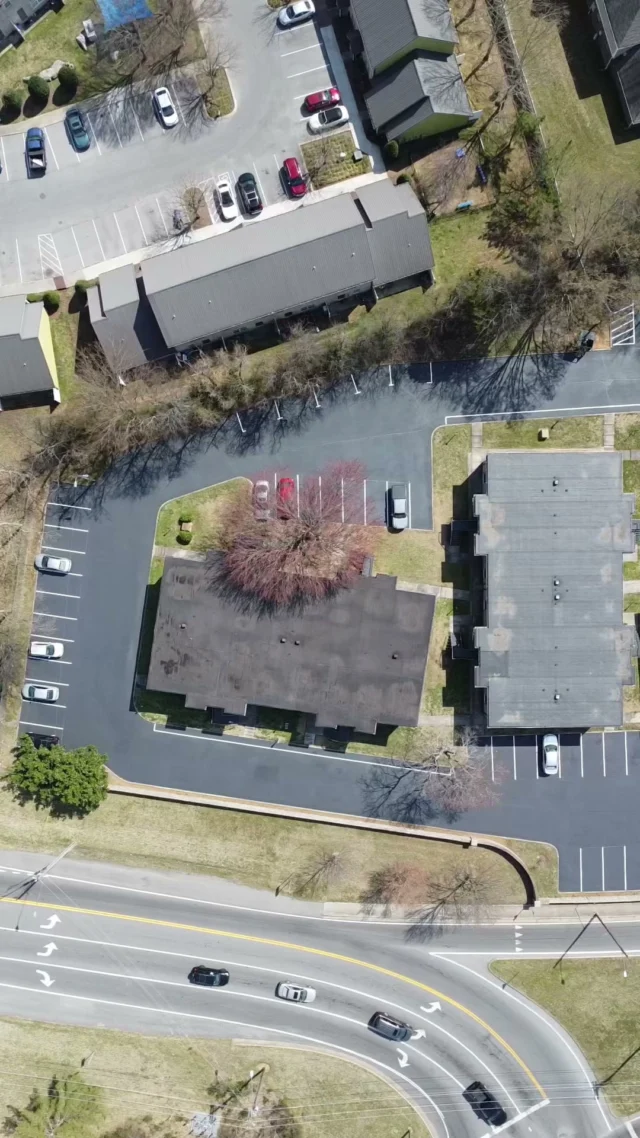
parking lot maintenance solutions
in middle tennessee
Where Excellence Starts NOW
Milliken Services

Asphalt

Concrete

Sealcoating + Striping
Parking Lots, Parking Garages + More

Grading

Drainage + Utilities
Installation, Retaining Walls, Repairs + Maintenance

Hauling Services
On-Site Removal
Masonry
Retaining Walls, Brick, Stone + More

Material Delivery
Gravel, Top Soil + More

Storm Cleanup
Downed Tree/Limb and Debris Removal


INSTAGRAM FEED


FREQUENTLY ASKED QUESTIONS
What services does Milliken Corporation provide?
Milliken Corporation is a full-service contractor offering asphalt (paving, repair, sealcoating, striping), concrete (driveways, patios, sidewalks, decorative and commercial flatwork), grading and excavation, drainage and utilities, fencing, railings, hauling, material delivery, and commercial snow and ice management. We work on both residential and commercial projects of all sizes.
Where does Milliken Corporation work?
We serve Middle Tennessee and Southern Kentucky, including Gallatin, Hendersonville, Nashville, Franklin, Brentwood, Mt. Juliet, Lebanon, Goodlettsville, and surrounding communities.
How do I request an estimate?
You can request a free proposal through the form on our website, by calling (615) 238-5909, or by emailing info@millikencorp.com. A team member will follow up to discuss your project, schedule a site visit if needed, and provide a detailed quote.
Is Milliken Corporation the same as Milliken & Company?
No. Milliken Corporation is an independent, family-owned contracting company headquartered in Gallatin, Tennessee, founded by Tony Milliken. We specialize in concrete, asphalt, masonry, grading, drainage, fencing, and related services for residential and commercial properties throughout Middle Tennessee and Southern Kentucky. We are not affiliated with Milliken & Company, the textile and chemical manufacturer based in Spartanburg, South Carolina.
Industry Associations